Meta AI’s Revolutionary Multilingual Speech and Lip Sync
Meta's new AI technology translates spoken words across 101 languages, synchronizing mouth movements for realistic dubbing. This innovation represents a leap in seamless global communication, offering businesses enhanced content localization and broader audience reach. Backed by rising AI adoption delivering 26-55% productivity gains and $3.7 ROI per dollar, enterprises can leverage such AI tools to break language barriers, improve engagement, and gain competitive advantage. Strategic investment in AI-driven communication tools like Meta’s solution is essential to capitalize on the expanding $390B AI market in 2025 and the digital globalization trend.
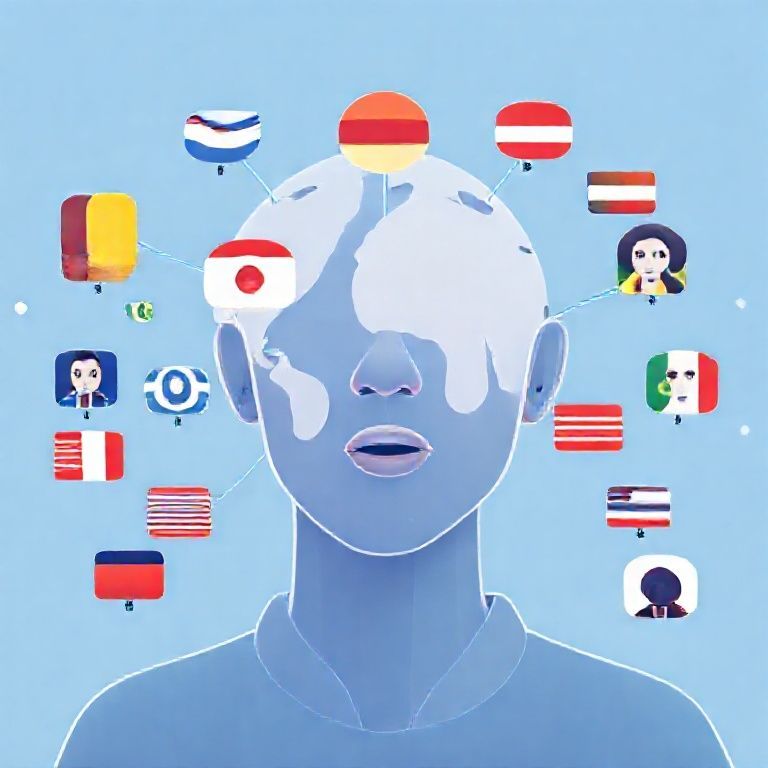
Current Landscape of AI Language Translation and Synchronization
In 2025, AI-driven language technologies are breaking new ground, with Meta’s SeamlessM4T model translating speech from 101 languages simultaneously into multiple target languages. This cutting-edge model improves translation accuracy by 23% compared to earlier solutions and pioneers real-time interpretation by connecting spoken words directly to translated speech output. Unique to Meta’s advancement is its ability to synchronize translated audio with the speaker’s mouth movements via lip-syncing technology—an innovation making dubbed content naturally immersive and enhancing cross-cultural communication.
Meta is deploying this technology across Facebook and Instagram, targeting content creators aiming for global outreach. The lip-sync feature mimics creators' voices and tones to preserve authenticity in translated content, eliminating robotic translations. Currently supporting key languages like English, Spanish, Hindi, and Portuguese, Meta plans rapid expansion. This modern multilingual translation market aligns with a wider surge in AI adoption: enterprises report up to 82% weekly Gen AI usage focused on operational and customer-facing gains, underpinning AI’s normalization as a strategic business staple (Wharton AI Adoption Report, 2025).
The AI language services market itself is expansive, valued near $390 billion in 2025 with expected annual growth rates exceeding 30% through 2033 (Grand View Research). Meta’s integration of translation with dynamic lip-sync sets a new standard for realistic, localized digital media in global markets.
Business Impact and Applications
AI translation and lip-sync capabilities yield significant ROI and productivity enhancements for enterprises, especially content creators, media companies, and global brands. The integration of speech-to-speech translation combined with authentic mouth movement synchronization addresses traditional multilingual content creation challenges with automation and personalization.
Key benefits include:
- Enhanced Engagement: Videos utilizing lip-synced translations experience greater viewer retention and trust, fostering cross-border audience growth.
- Cost Efficiency: Automating dubbing reduces reliance on costly human translators and post-production lip-syncing.
- Speed to Market: Real-time translation and dubbing enable faster content localization, critical in competitive digital markets.
Real-world application at Meta demonstrates creators expanding their reach through translated reels on Facebook and Instagram, where the AI’s voice cloning preserves personality and style, creating natural viewing experiences. Businesses tapping into these tools unlock new revenue streams through multilingual marketing and international collaboration.
According to McKinsey & Company, AI-driven workflows are increasing innovation and growth, with emphasis on operational efficiencies and customer satisfaction. Enterprises report AI-induced productivity gains as high as 26-55%, with an average ROI of $3.70 per invested dollar (Fullview 2025 AI Statistics). The language AI sector's rapid growth directly correlates to digital globalization and the demand for personalized, inclusive content experiences.
Strategic Outlook and Recommendations for Business Leaders
AI-powered multilingual translation integrated with lip-sync technology exemplifies AI’s next frontier in communication. For 2026 and beyond, businesses should view these tools as essential in global market strategies to reduce language barriers and accelerate digital transformation.
Strategic steps include:
- Invest in AI Language Solutions: Prioritize AI tools that blend translation accuracy with experiential authenticity, like Meta’s lip-sync model, to amplify global brand presence.
- Support Talent and Culture: Leadership roles focused on AI integration, such as Chief AI Officers, combined with workforce training, ensure lasting value capture and innovation.
- Manage Risks and Ethics: Implement responsible AI governance to maintain trust in multilingual content and avoid misrepresentations.
- Scale Use Cases: Begin with high-impact opportunities such as marketing, customer support, and multimedia content, then expand enterprise-wide.
With the AI market poised to approach $400 billion this year and forecasts projecting sustained growth, early adoption of integrated AI communication solutions offers a decisive competitive advantage. Meta’s model points to a future where language is no longer a barrier but an enabler of global collaboration and commercial success.